
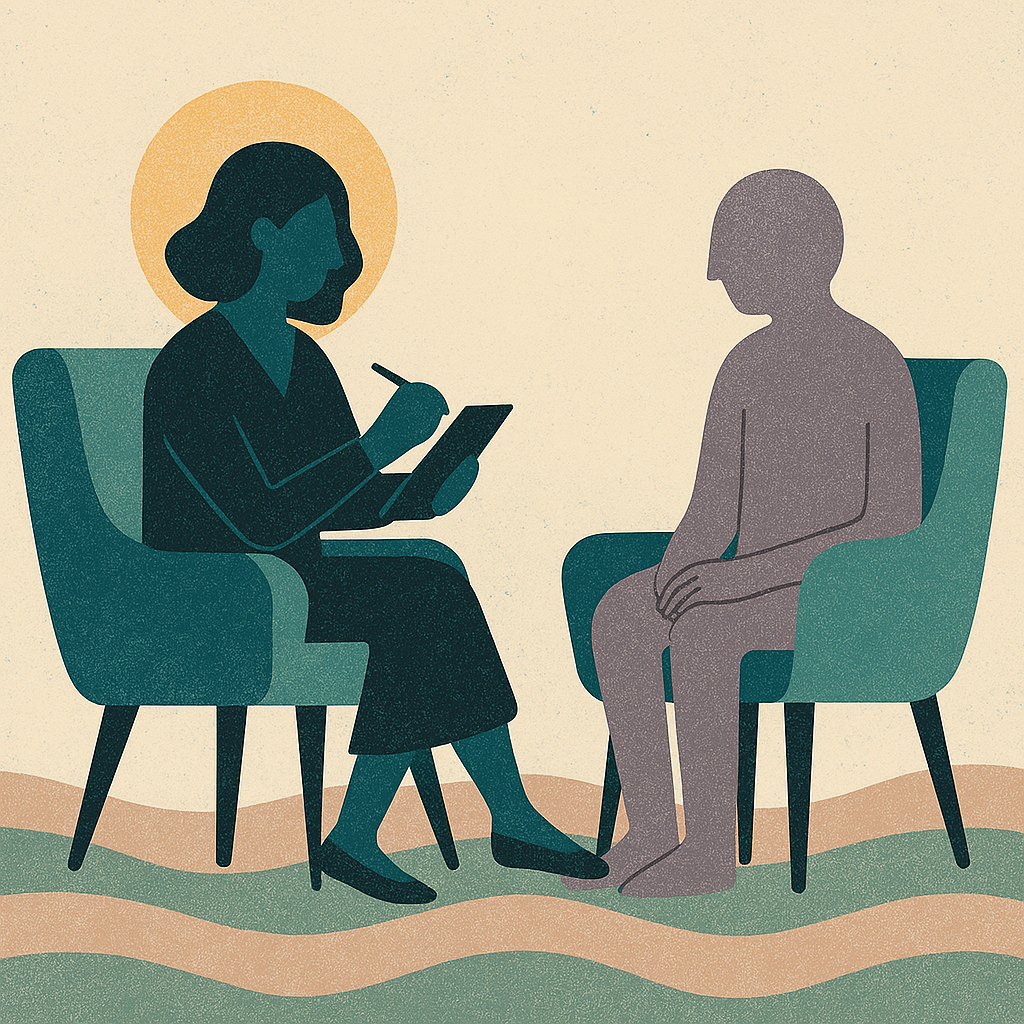
What we inherit, what we carry, and what we choose to heal
Generational trauma is the transmission of unresolved pain, dysfunction, and emotional wounds from one generation to the next.
It can be born from poverty, violence, loss, and systemic oppression.
It shows up in behaviors, patterns, and beliefs—long after the original harm occurred.
For some of us, trauma isn’t something we learned about later.
It was present from the beginning.
My Experience of Inherited Pain
My parents came into parenthood already burdened.
My father grew up in poverty, surrounded by instability and abuse.
My mother lost her own mother at sixteen while pregnant with my brother.
With no education and no support system, she became trapped in a volatile relationship.
This was the foundation I was born into.
Our “household” was shaped by abuse, neglect, and deep instability.
We were homeless.
My father was violent.
He tried to kill my mother.
Eventually she fled—but by then, I had already endured years of harm.
I was abandoned in a parking lot at age seven.
That moment shaped everything that followed.
The Personal Impact
I lived through food insecurity, chronic neglect, and the emotional desolation of abandonment.
Later, in 2019, I survived an assault that added another layer of trauma.
I now live with PTSD and Complex PTSD.
These conditions shape how I move through the world—how I relate, how I trust, how I feel safe.
I didn’t inherit love and security.
I inherited pain.
How Trauma Shows Up
Generational trauma is layered.
It shapes how we see ourselves and others.
For me:
- Trust rarely feels safe
- Relationships are fraught with fear
- Anticipating danger became second nature
- Being unseen felt normal—even though it hurt
These patterns don’t stay private.
They show up in careers, friendships, and mental health.
Learning to separate the past from the present takes time—and tools I was never given.
A Collective Issue
Generational trauma doesn’t affect just one family.
It echoes across communities.
When institutions fail to support families in crisis,
when poverty goes unaddressed,
when abuse is ignored—
the consequences ripple through generations.
People like me fall through the cracks.
We grow up feeling invisible, undeserving, disconnected.
Systemic failures reinforce trauma and punish the vulnerable for surviving.
The Path to Healing
Healing isn’t linear.
It begins with naming the trauma, claiming it, and refusing to be defined by it.
Speaking my truth gave me back some control.
Rebuilding trust with myself has been just as important as navigating relationships.
Therapy helped me begin.
Recovery isn’t about forgetting.
It’s about creating space for something better.
I’m learning to breathe outside of survival mode.
To release coping mechanisms that no longer serve me.
To find parts of myself buried beneath fear and grief.
I’m reshaping a life where I choose what comes next—
not just what was handed down to me.
Final Thought
What I inherited was abandonment, violence, and silence.
Not love. Not safety.
I survived it—not because I was brave,
but because I didn’t have a choice.
I don’t owe this story to anyone.
But maybe someone else needs to know they’re not alone in it.
Survival isn’t a triumph.
It’s an unfortunate fact.
Healing is the choice.
Add Your Thoughts